
Factory construction – how to design the building envelope?
There are many important factors when starting the design and construction of a factory. Beyond architectural and structural design, the choice of cladding (enclosure system) is one of the top concerns for investors. This is because the cladding system directly affects the aesthetic, architectural character, and energy efficiency of the facility. For large factories operating 24/7 with many workers, cladding plays a critical role in determining monthly operational costs such as cooling and lighting expenses.

Table of Contents
No table of contents available for this article
WHY DO INVESTORS PAY SO MUCH ATTENTION TO CLADDING SYSTEMS?
The cladding system serves the fundamental function of separating the internal and external environments. Each building with a different cladding configuration gives a distinct user experience.
Some factories remain cool inside with minimal electricity used for cooling, while others are hot and energy-consuming – the key difference lies in the quality of the cladding system.
WHAT ROLE DOES CLADDING PLAY IN YOUR FACTORY?
Cladding is like the skin, while the steel frame acts as the skeleton of the building. When selecting a cladding system, three key functions must be prioritized:
Safety: Protection from external adverse effects. The cladding must be robust and ensure the safety of all internal components.
Comfort and energy efficiency: Maintains a stable internal temperature for different purposes and promotes efficient energy use.
→ Ask yourself:Does the building consume too much electricity?
Does it provide a suitable working environment to boost productivity?
Aesthetics: The outer shell defines the appearance and brand identity of the building.
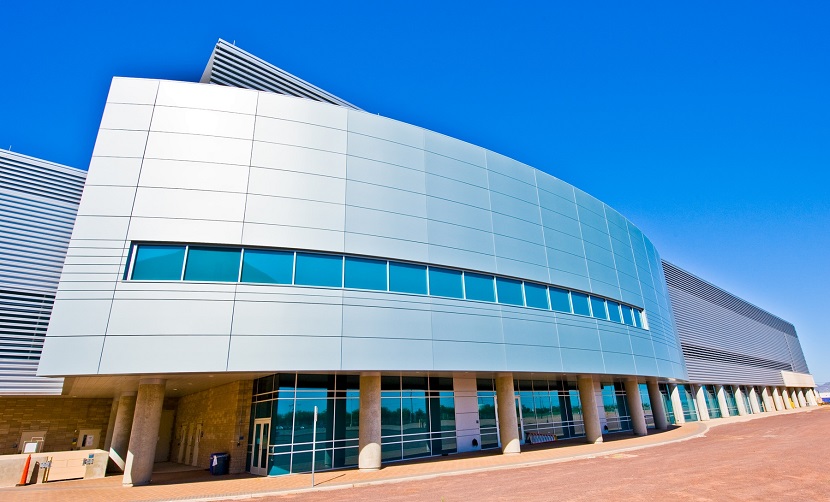
WHAT CRITERIA SHOULD CLADDING DESIGN BE BASED ON?
Roof and wall features aren’t limited to safety and temperature resistance—they also affect the entire building life cycle, including construction, expansion, maintenance, and demolition. Key factors to consider include:
Weather resistance
Strength and rigidity
Insulation materials
Security performance
Thermal control
Soundproofing
Fire resistance
Maintenance, repair, and replacement ability
Other factors such as natural lighting may not be technical priorities but are crucial for user experience and worker productivity.
CONCLUSION
Whether your cladding choice is reasonable depends on how comprehensively you assess all aspects. In reality, many investors skip the evaluation phase, only to realize flaws during actual operation.
You don’t want to incur unnecessary costs due to early oversight.
→ By carefully considering the above factors, you can avoid costly mistakes and enhance the long-term value of your building.
For comprehensive solutions in prefabricated steel building construction, please contact Khang Thinh via email at info@nhathepkhangthinh.vn or hotline +84 254 3 676 479 for immediate assistance!
*** This article is intended to provide general information about the pre-engineered steel building and steel structure industry only. For further details or clarification based on your needs, please contact Khang Thinh directly.


